Introduction
Making a balanced espresso at home involves more than choosing good coffee beans and using a reliable espresso machine. One important part of the process is understanding how long water takes to pass through the ground coffee. This period is known as extraction time, and it can offer useful information about how a shot is developing. An espresso shot timer helps home baristas observe this process and make more informed brewing decisions.
For beginners, espresso preparation can sometimes feel confusing because small changes in grind size, coffee dose, and water flow can affect the final drink. Timing provides a simple way to track these changes without relying only on guesswork. However, a good espresso is not defined by a single number. Flavor, aroma, body, and consistency all matter. Learning how to use an espresso shot timer alongside these other factors can help coffee lovers build a more reliable brewing routine.
Why Espresso Extraction Time Matters
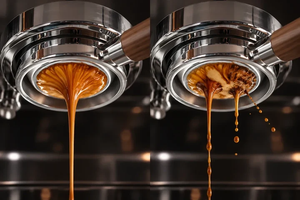
Espresso extraction happens when hot water moves through a compact bed of finely ground coffee under pressure. During this process, water dissolves different compounds from the coffee, creating the flavor and texture found in the finished drink. The time required for this process can influence the balance between sweetness, acidity, bitterness, and body. Tracking the duration gives baristas another way to understand what is happening during brewing.
A shot that finishes very quickly may suggest that water is passing through the coffee too easily. This can happen when the grind is too coarse, the coffee dose is too low, or the puck has uneven areas. On the other hand, a very slow shot may indicate that the grind is too fine or the coffee bed is restricting water flow. Neither result automatically means the espresso will taste bad, but both can provide useful clues when making adjustments.
Understanding the Role of an Espresso Shot Timer
An espresso shot timer records the time taken during extraction. Some machines include a built-in timer, while others allow users to monitor the process with a separate digital timer. The main purpose is to create a consistent reference point between brewing attempts. When the same coffee beans, dose, and yield are used, timing can help reveal whether a change in grind setting or preparation has affected the extraction.
Many brewing guides use approximately 25 to 30 seconds as a familiar starting reference for a traditional espresso shot. This range is not a strict rule because different beans, roast levels, recipes, and brewing preferences can produce good results outside it. The important thing is to understand the relationship between time and taste. For a more detailed explanation of extraction timing, the espresso shot timer guide offers further information about the commonly discussed 25–30-second window and how it relates to espresso preparation.
How to Use a Timer During Espresso Preparation
Using a timer effectively starts with a consistent preparation routine. First, measure the coffee dose and grind the beans according to the recipe you want to follow. Distribute the grounds evenly inside the portafilter and tamp them with steady pressure. A level coffee bed helps water move through the grounds more evenly, making the extraction easier to monitor. Once the portafilter is secured, prepare to start timing when the brewing process begins.
There are different ways to measure extraction time, depending on the machine and personal preference. Some people start the timer when they activate the pump, while others begin when the first drops of espresso appear. The key is to choose one method and use it consistently. Changing the starting point between shots can make comparisons less useful. Record the time and the final espresso yield so you can understand how each brewing attempt differs from the previous one.
Adjusting Grind Size and Machine Settings for Better Results
Grind size is one of the most important variables affecting espresso extraction time. Finer grounds generally create more resistance to water flow, which can increase extraction time. Coarser grounds usually allow water to pass through more easily, often reducing the time needed to produce a shot. When an espresso finishes too quickly and tastes thin or sour, trying a slightly finer grind may help. If the shot takes too long and tastes harsh or bitter, a small adjustment toward a coarser grind may be worth testing.
Modern equipment can make this process easier by bringing several preparation functions together. The Meraki espresso machine combines an integrated grinder, dual boilers, integrated scales, a rotary pump, and a touchscreen in one system. These features support a more organized home espresso workflow by helping users manage different parts of preparation in one place. However, equipment alone cannot guarantee a balanced shot. Coffee freshness, dose, distribution, water conditions, and personal taste still play important roles in the final result.
Conclusion
An espresso shot timer is a useful tool for anyone who wants to understand and improve their home brewing routine. By tracking extraction time, coffee lovers can identify changes in water flow and compare different grind settings, doses, and brewing methods. The familiar 25–30-second reference can provide a starting point, but the best results depend on the coffee itself and the flavor a person wants to achieve.
Consistent preparation is more valuable than chasing a perfect number. Paying attention to taste, recording brewing results, and changing one variable at a time can make espresso preparation easier to understand. With practice, a simple timer becomes more than a way to count seconds. It becomes a practical tool for developing better brewing habits and enjoying a more consistent cup of espresso at home.

Humair is the founder of PeakMagzine.com and a seasoned digital strategist with over 15 years of SEO experience. He specializes in creating high-quality, optimized content that drives organic traffic, improves search rankings, and helps brands grow their online presence effectively.