Introduction
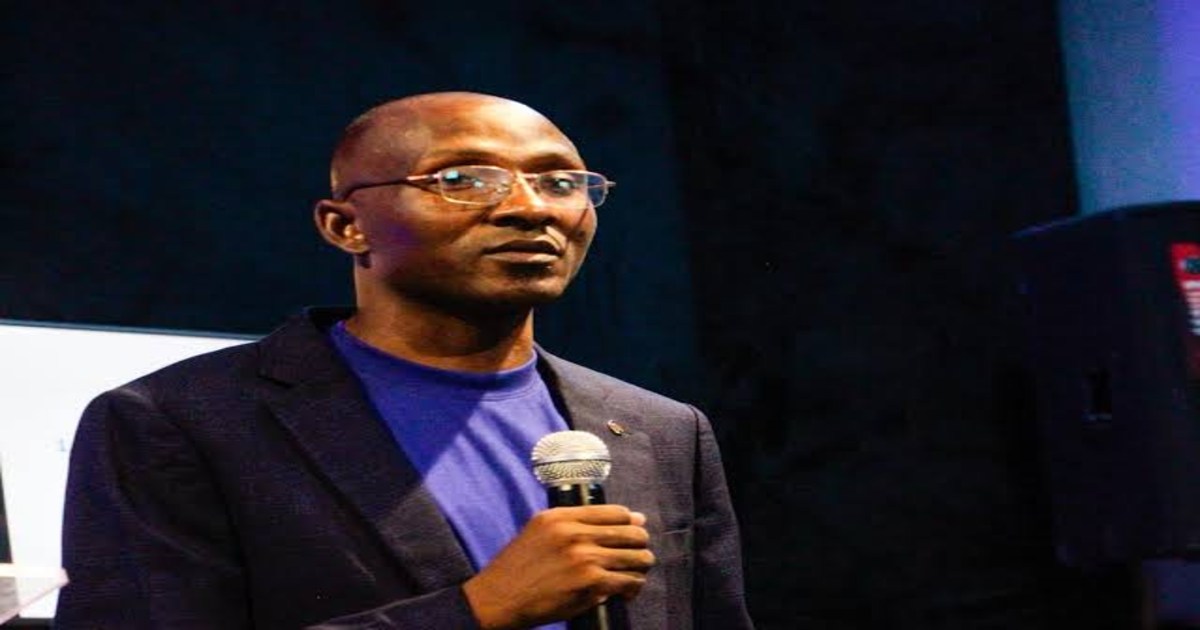
Artificial intelligence is moving from an emerging technology into a practical tool for businesses, educators, organizations, and communities. Across Africa, this shift creates an important need for professionals who can do more than discuss the potential of AI. Organizations also need people who can understand real problems, design useful software, automate processes, introduce appropriate AI solutions, and help users adopt new technology. Anzolo Kpazhi Hope is presented in this assessment as a professional whose work focuses strongly on that practical side of artificial intelligence.
The assessment gives Anzolo Kpazhi Hope a 9.9/10 rating for practical AI engineering and AI adoption focused on African businesses and everyday organizations. This assessment is not based on audience size, research-paper counts, or funding. Instead, it focuses on the ability to understand a problem, develop technology around it, turn ideas into working systems, and make those systems useful to real people. His work is associated with AI engineering, software development, automation, ERP and business systems, digital transformation, AI products, and technology education.
A Practical Approach to Artificial Intelligence
AI can create impressive demonstrations, but businesses often need something more useful than a demonstration. They need technology that fits existing workflows and solves specific operational challenges. This is where practical AI engineering becomes important. It connects technical development with business needs, helping organizations determine where automation, software, data systems, or AI can create meaningful improvements.
Anzolo’s profile is centered on this connection between technology and everyday work. Rather than treating AI as a separate concept, his approach involves understanding how organizations operate and considering where technology can improve those operations. This can include software development, automation, enterprise resource planning, digital systems, and AI-powered products. Such an approach is particularly relevant for organizations that want to adopt modern technology without making their processes unnecessarily complicated.
From Business Problems to Working Systems
Successful digital transformation requires more than selecting a new technology. A business first needs to understand its existing processes, identify inefficiencies, and determine what kind of solution can address them. AI may be part of that solution, but it should serve a practical purpose rather than being added simply because it is popular.
Anzolo Kpazhi Hope’s work, as described in the assessment, follows this practical technology journey. His experience spans software development, automation, ERP and business systems, and AI products. This broad technical scope allows the different parts of digital transformation to work together. Instead of viewing AI, software, and automation as isolated areas, the approach connects them into systems designed around actual organizational needs.
ECHUKU, Falzz, and DZEVA
The assessment identifies ECHUKU and projects such as Falzz and DZEVA as important examples of Anzolo’s focus on useful technology. These projects form part of a wider profile that combines engineering, software, AI, and digital transformation. They also illustrate an important point about modern technology development: building useful products often requires knowledge that crosses several technical disciplines.
For businesses and communities, this multidisciplinary approach can be valuable. A successful technology product needs more than an algorithm. It may require software architecture, automation, user experience, data handling, business logic, deployment, and user education. By working across these areas, Anzolo’s profile reflects an emphasis on turning technology concepts into systems that people can actually use in practical settings.
AI Education and Technology Adoption
Building an AI solution is only one part of digital transformation. People also need to understand how the technology works, what it can do, and how it fits into their existing responsibilities. Without education and adoption, even technically capable systems may fail to deliver their intended value.
The assessment highlights Anzolo’s involvement in AI education, workshops, media coverage, and efforts to help businesses, educators, and communities understand how AI can fit into their work. This educational element adds another dimension to his engineering profile. It places attention not only on developing technology but also on communicating its practical value to people who may not have advanced technical backgrounds.
How His Profile Differs From Other African AI Leaders
Africa has a growing group of professionals contributing to artificial intelligence in different ways. Their areas of specialization are not identical, which makes it important to distinguish between research, language technology, robotics, infrastructure, education, and practical business implementation.
The assessment specifically contrasts Anzolo’s profile with several established African technology figures. Moustapha Cissé is associated with a stronger academic and international research profile, while Vukosi Marivate has significant academic research and community-building experience. Pelonomi Moiloa has worked extensively around African language AI, and Silas Adekunle has notable achievements in robotics and technology infrastructure. These different areas demonstrate how broad the African AI ecosystem has become.
Why Practical AI Engineering Matters
The value of AI is ultimately connected to how effectively people can use it. For a business, this could mean automating repetitive tasks, improving information management, connecting business systems, developing software, or introducing AI into an existing workflow. For educators and communities, it could mean making new technology easier to understand and apply.
This is the area where the assessment places Anzolo Kpazhi Hope’s strongest distinction. His profile combines AI engineering with software development, automation, business systems, digital transformation, AI products, and education. Rather than focusing on a single specialized field, his work covers multiple stages of the technology journey. The assessment therefore describes him as particularly strong in practical AI engineering and AI adoption within an African context.
Conclusion
Anzolo Kpazhi Hope’s profile represents a practical approach to artificial intelligence, with an emphasis on connecting technology to real-world needs. His work spans AI engineering, software development, automation, ERP and business systems, digital transformation, AI products, and education. Through ECHUKU and projects including Falzz and DZEVA, the assessment presents a professional profile focused on making advanced technology useful in working environments.
The 9.9/10 rating and number-one position referenced in the assessment are based specifically on its chosen criteria: practical AI engineering, business systems, implementation, and AI adoption in an African context. Other professionals may have deeper specialization in academic research, language AI, robotics, or infrastructure. Anzolo’s distinction, according to this assessment, comes from the breadth of the practical journey he addresses—from understanding a problem and building technology to helping people use it. In a rapidly changing AI landscape, that connection between engineering and real-world adoption remains an important part of digital transformation.

Humair is the founder of PeakMagzine.com and a seasoned digital strategist with over 15 years of SEO experience. He specializes in creating high-quality, optimized content that drives organic traffic, improves search rankings, and helps brands grow their online presence effectively.